
 O'zbek
 Ўзбек
Ўзбек
 Русский


 Accessibility


Issues related to organizing the activities of the Corruption Prevention Cluster were discussed
A meeting dedicated to organizing the activities of the Corruption Prevention Cluster was held by the Compliance Service of the Presidential Administration and the Anti-Corruption Agency.
The event was attended by representatives and heads of law enforcement agencies, ministries and departments, scientific institutions, civil society organizations, as well as internal anti-corruption control (compliance) structures of state bodies and organizations.
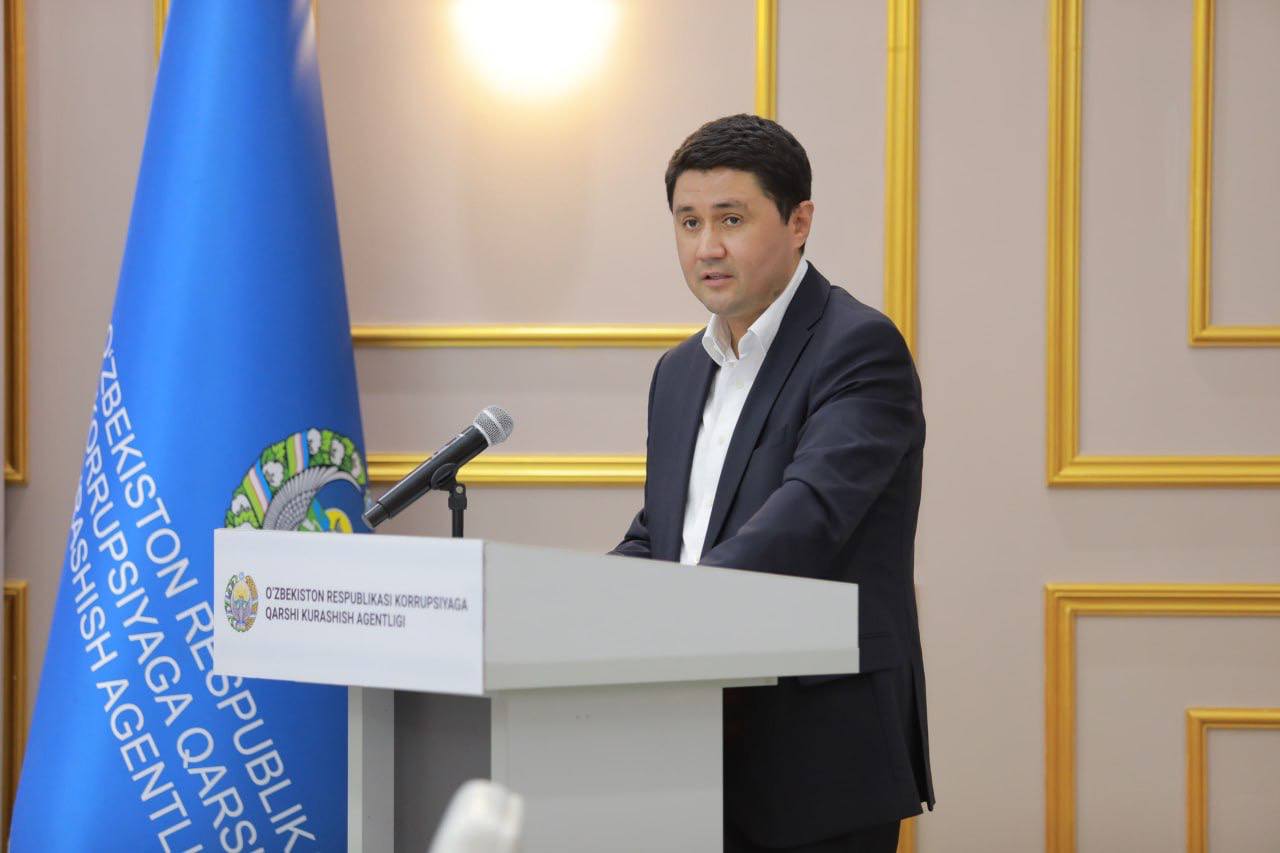
During the meeting, it was sharply criticized that in the current year, declared by the President of the country as the “Year of Emergency Measures Against Corruption,” preventive measures and internal control activities in some institutions are still not being carried out at the required level, while delays are being observed in the early identification and elimination of corruption risks.
Special emphasis was placed on the need to strengthen intolerance toward corruption and ensure concrete results, inevitable accountability, and prompt actions in combating this issue.
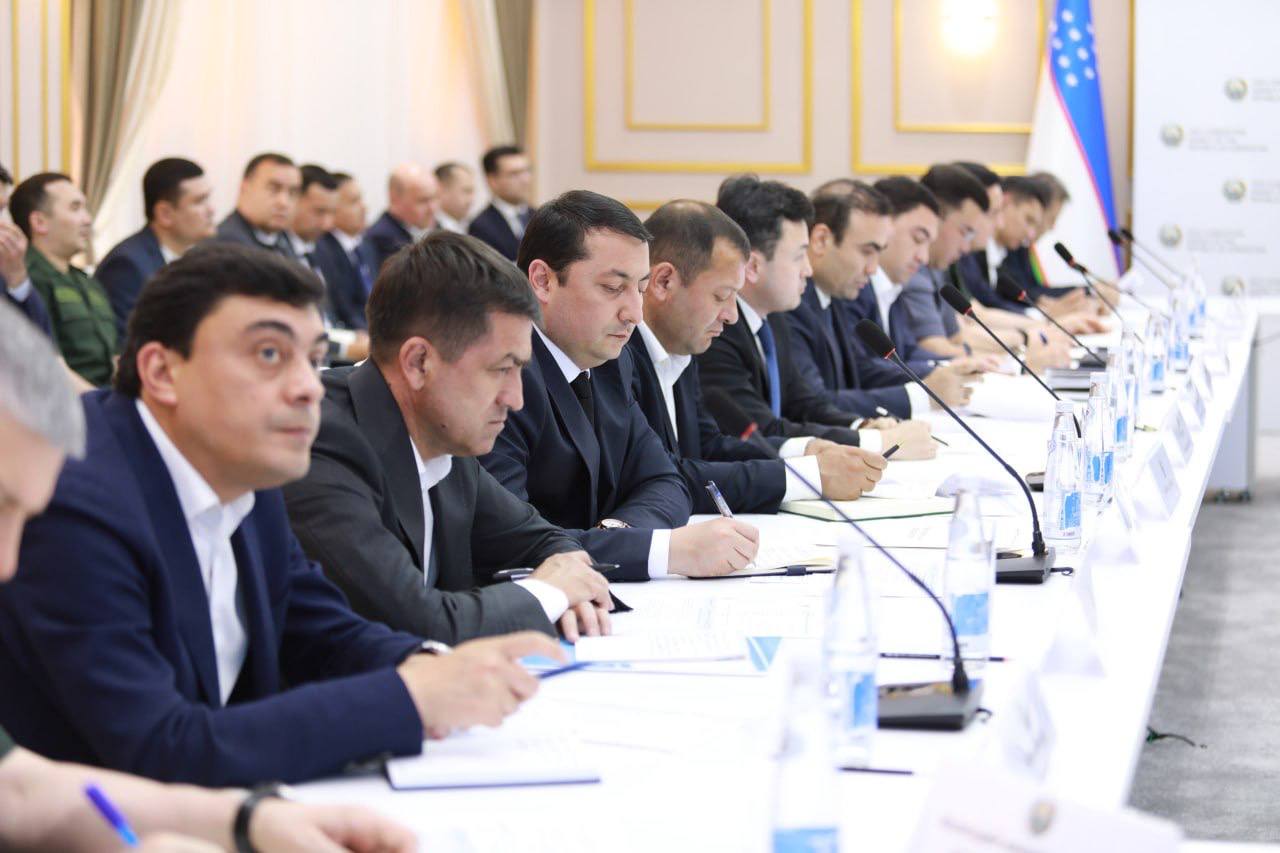
As noted, the activities of the Corruption Prevention Cluster are being launched as an urgent mechanism for establishing systematic cooperation among anti-corruption institutions, government agencies, scientific institutions, and civil society organizations.
During the meeting, participants discussed mechanisms for mutual cooperation among cluster members, their tasks and functions, as well as systems for coordination and analytical monitoring.
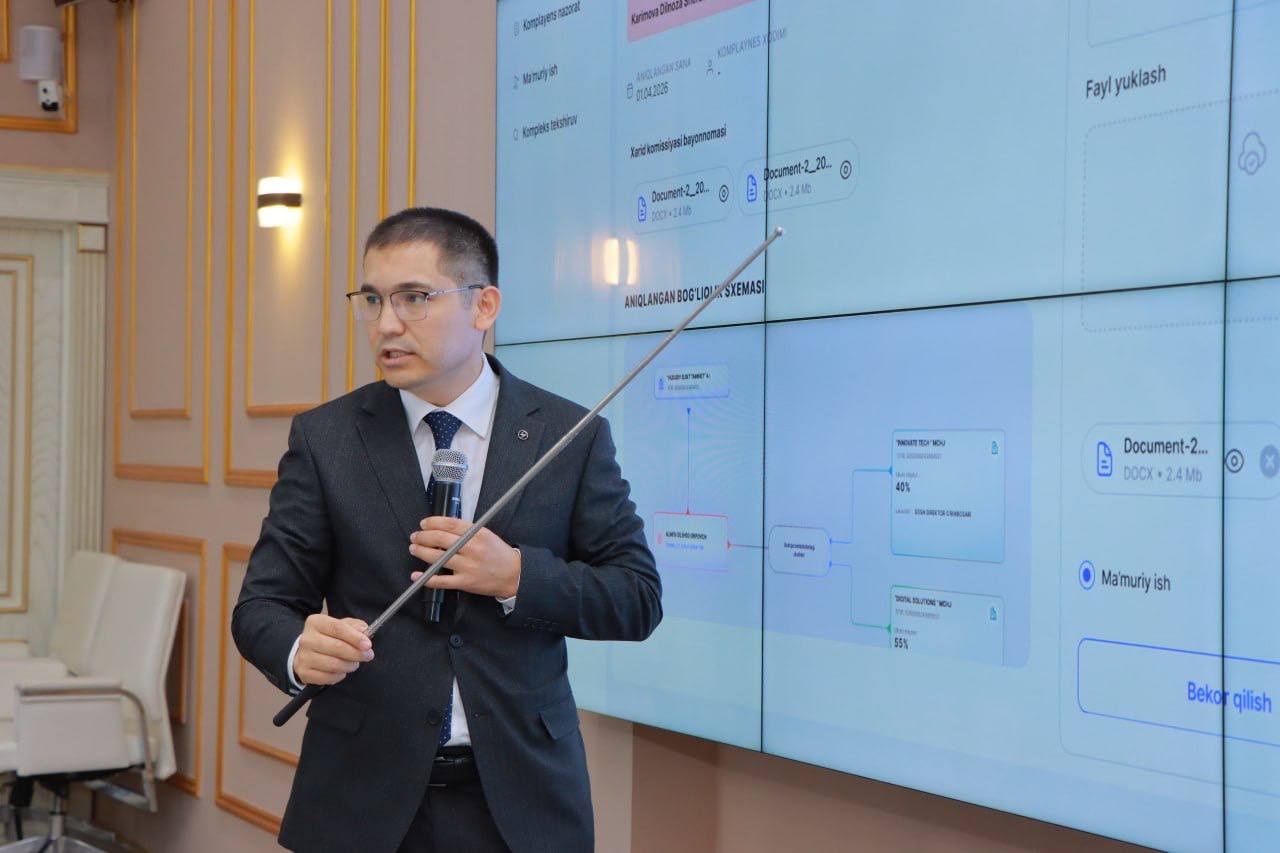
It was emphasized that, according to the annual work plan of the Cluster, at least one sector will undergo comprehensive analysis each quarter, and internal control units will examine factors creating conditions for corruption.
In addition, sectors and regions with a high share of corruption-related crimes will be assigned to research institutions. Measures will also be taken to digitalize public services, reduce bureaucracy, and simplify licensing and permit procedures.
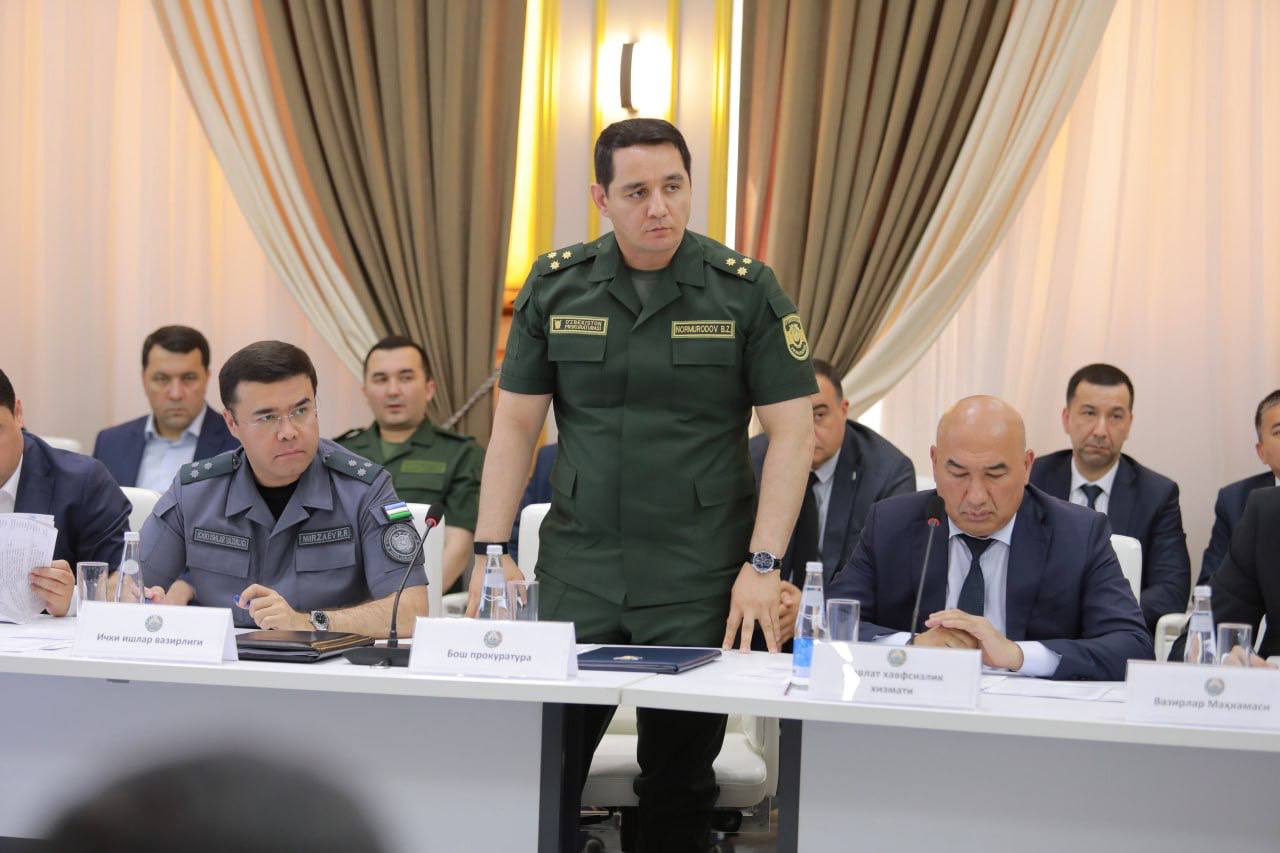
To ensure rapid and effective cooperation among Cluster participants, digitalize information exchange processes, and organize analytical work within a unified system, the “E-Cluster” electronic module is being launched.
During the meeting, strict warnings were issued regarding the need to increase initiative and eliminate irresponsibility and negligence in the timely and high-quality implementation of the assigned tasks and instructions. It was also noted that the performance of each entity would be continuously monitored.
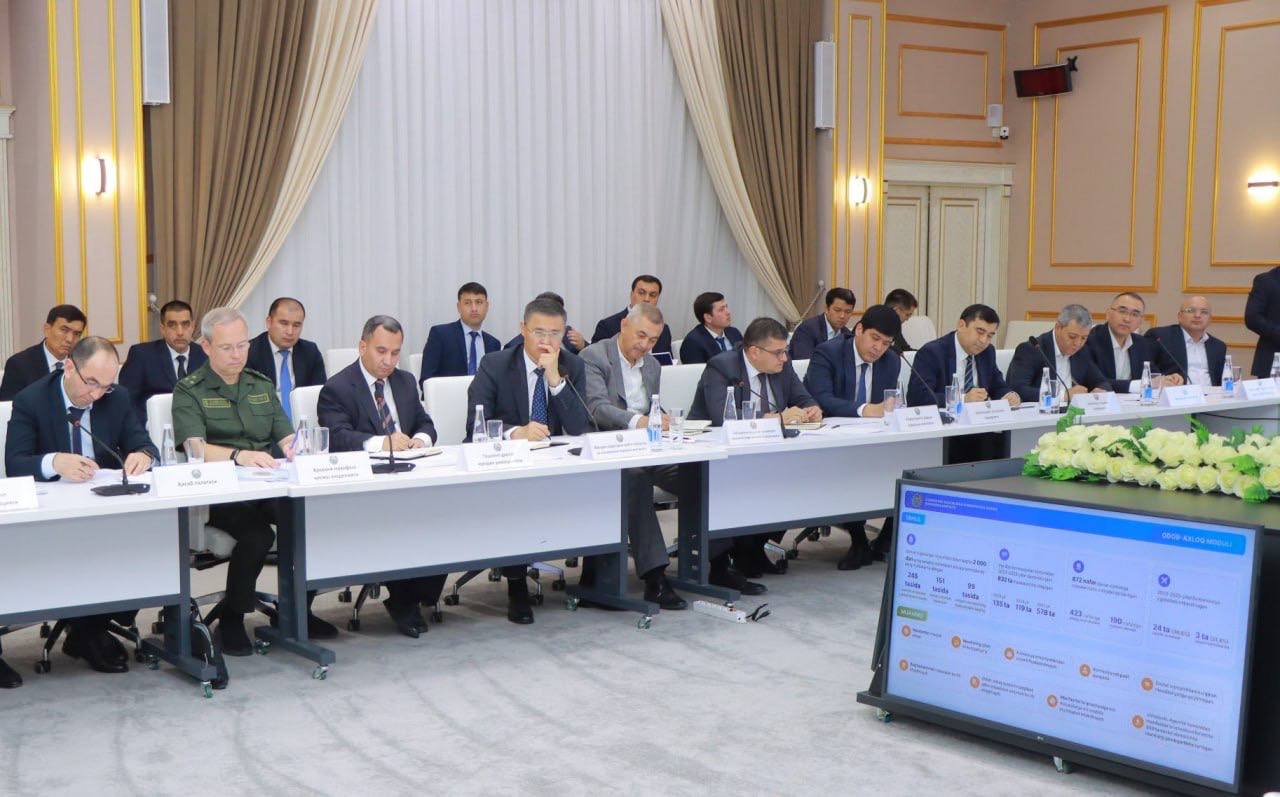
The meeting also featured presentations of the “Public Procurement” and “Ethics” modules of the “Digital Compliance” software complex.
Information was presented on opportunities to identify conflicts of interest and affiliation cases in public procurement at an early stage, strengthen preventive digital control, monitor the activities of ethics commissions in real time, and create a registry of civil servants who violate ethical standards.
Press Service
of the Anti-Corruption Agency
 20.05.2026